

Common Processing Methods Explained
After coffee cherries are harvested from the tree, the fruit must be removed from the seed (the coffee bean). The way this fruit is removed is called the processing method, and it plays a major role in how the coffee tastes.
Washed Process
In the washed process, the outer fruit of the coffee cherry is removed shortly after harvesting. The beans are then fermented in water to remove the sticky layer of fruit called mucilage.
After fermentation, the coffee is washed clean and dried.
Washed coffees are typically known for:
Clean and clear flavors
Bright acidity
Crisp and structured profiles
Because much of the fruit is removed early, the flavors of the coffee variety and the growing region tend to stand out clearly.

Natural Process
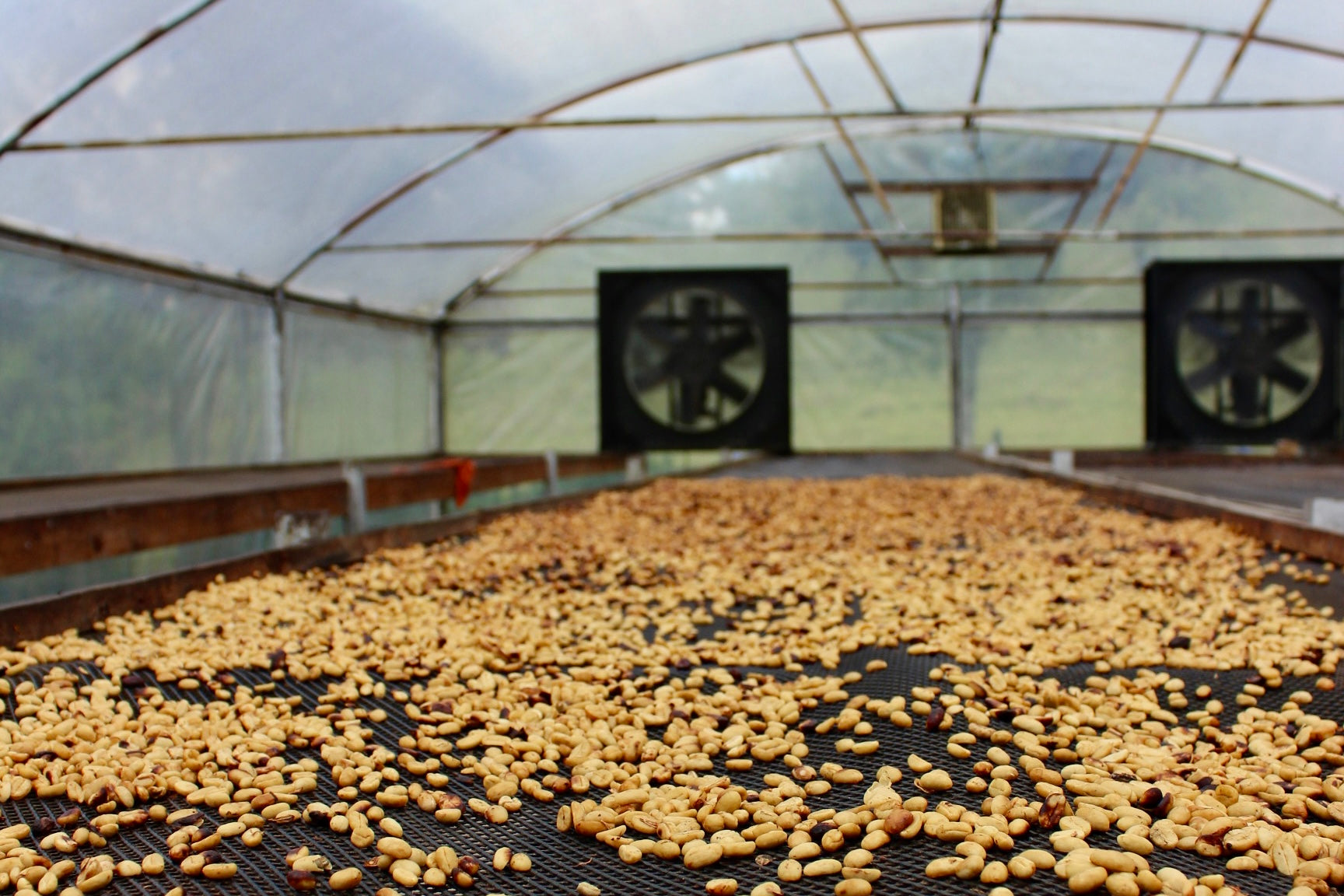
In the natural process, the entire coffee cherry is dried with the bean still inside the fruit.
The cherries are spread out on drying beds and turned regularly to prevent spoilage. As the fruit dries, sugars from the cherry influence the flavor of the bean.
Natural coffees often have:
Fruit-forward flavors
Heavier body
Berry or tropical notes
A sweeter profile
This method is one of the oldest ways of processing coffee.

Honey Process
Honey processing is somewhat of a middle ground between washed and natural.
In this method, the outer skin of the coffee cherry is removed, but some of the sticky fruit layer is left on the bean while it dries.
Honey processed coffees often have:
Balanced sweetness
Smooth body
Mild fruit notes
A rounder texture
Despite the name, no honey is added—the name simply refers to the sticky texture of the fruit left on the bean.

These processing methods are one of the many reasons specialty coffee can be so dynamic and expressive. The same coffee variety grown on the same farm can taste completely different depending on how it is processed after harvest. Processing shapes sweetness, acidity, body, and overall character in ways that are both subtle and dramatic.
Learning about these methods helps deepen the experience of drinking coffee. It allows you to better understand why one coffee may taste bright and tea-like while another feels rich, fruity, or syrupy. More importantly, it creates a stronger connection to the work happening at origin. It is a refection of the farmers, producers, and processing teams whose decisions directly shape what ends up in the cup.
Exploring different processing methods is part of what makes specialty coffee so rewarding. Each cup becomes more than just a daily routine. It becomes an opportunity to experience and explore the incredible range, craft, and diversity that coffee has to offer.

Share:
Origin Spotlight | Yemen: Yemenia & Kent
The History of Coffee in Colombia: From Colonial Roots to a Global Showcase