


The Origins of Coffee
Coffee has been enjoyed for centuries, but its story begins in East Africa.
Ethiopia: The Birthplace of Coffee
Coffee is believed to have originated in Ethiopia, where the coffee plant grows naturally in the wild.
According to popular legend, a goat herder named Kaldi noticed that his goats became energetic after eating the red cherries from a particular tree. Local monks later began using the fruit to make a drink that helped them stay awake during prayer.
While the story may be partly legend, Ethiopia is widely accepted as the birthplace of coffee.

Coffee Spreads to the Arab World
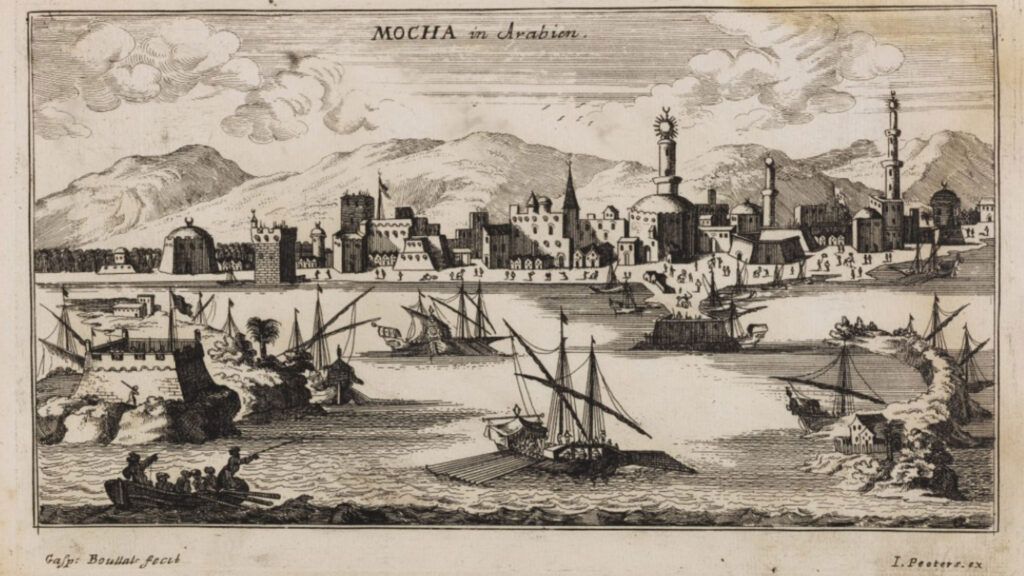
By the 15th century, coffee was being cultivated in Yemen and brewed as a drink. It quickly became popular throughout the Middle East.
Coffee houses began appearing in cities like Mecca and Cairo, where people gathered to drink coffee, talk, and listen to music.
The drink eventually became known as qahwa, which later evolved into the word “coffee.”
Coffee Travels Around the World
From the Middle East, coffee spread to Europe in the 1600s. European traders then carried coffee plants to tropical regions around the world.
Today, coffee is grown throughout the coffee belt, a band around the equator that includes regions in:
-
Central and South America
-
Africa
-
Southeast Asia
Each region produces coffees with unique characteristics shaped by climate, soil, and altitude.
Coffee Today
What began as a wild plant in Ethiopia has become one of the most widely enjoyed beverages in the world.
In specialty coffee, many people are rediscovering coffee’s origins by focusing on specific farms, varieties, and processing methods. This allows coffee drinkers to taste the unique story behind every cup.
Share:
Intro into Specialty Coffee
What Is Specialty Coffee?