
Specialty coffee is a way of approaching coffee that focuses on discovering and showcasing the highest quality coffees available. It is both a philosophy and a process, one that values careful farming, thoughtful roasting, and intentional brewing.
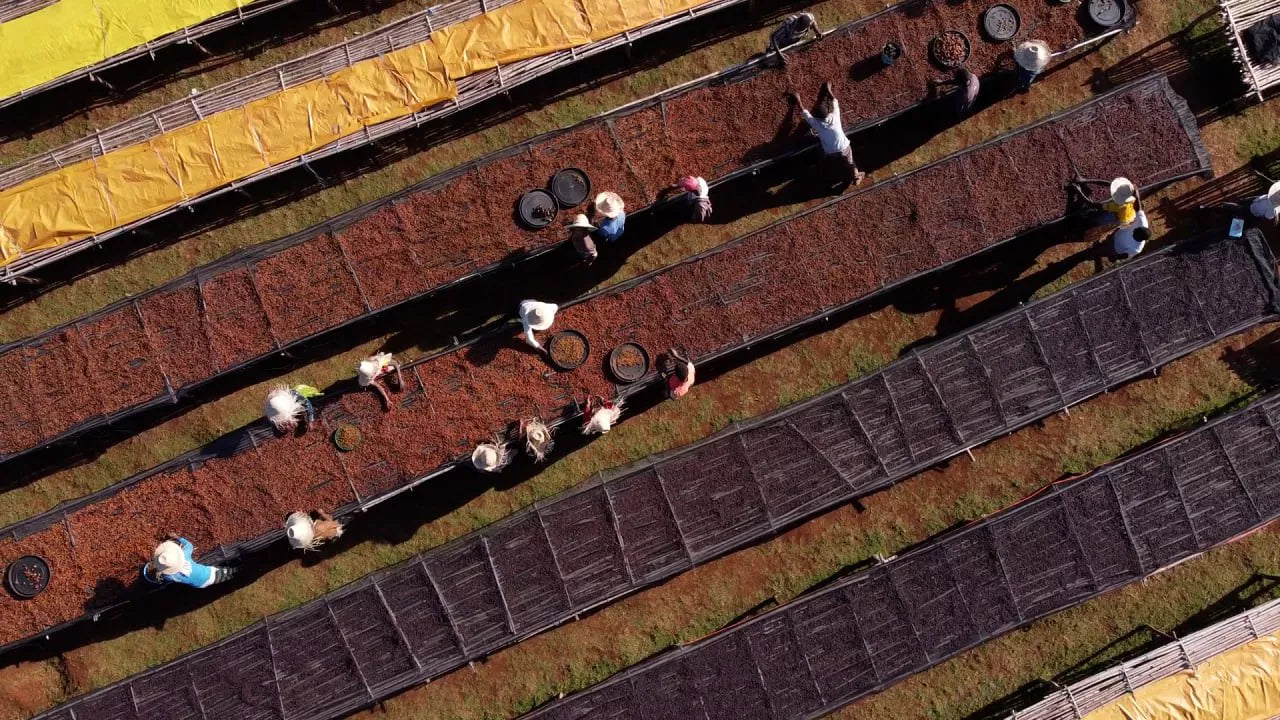
Coffee itself is the seed of a tropical fruit called a coffee cherry. These trees are grown in regions around the world within what is known as the “coffee belt,” a band of tropical climates where coffee grows best. Within this belt, there are many different coffee varieties, each with its own potential flavor and characteristics.
Natural Potential
Many specialty coffee varieties have the natural potential to produce flavors that are sweet, fruity, or floral. When these coffees are grown carefully and processed with precision, they can taste very different from the “typical” coffee flavor most people are used to.
Farmers who grow specialty coffee are constantly working to improve their practices. They experiment with different farming techniques and processing methods in order to bring out the best qualities in their coffee. Their goal is to produce coffees with exceptional flavor and clarity.
Revealing What Makes Each Coffee Unique
These natural characteristics are what specialty coffee roasters and drinkers are looking to discover.
Roasting plays an important role in revealing what makes each coffee unique. Every coffee reacts differently to heat during roasting, depending on its variety, origin, and processing method. Because of this, roasters must carefully adjust variables such as heat, airflow, and time to find the profile that brings out the coffee’s best qualities.
Finding the right roast is often a process of experimentation. Roasters learn how certain coffees behave in the roasting environment, but each new coffee still requires testing and refinement. Through trial and observation, the roaster works to discover the roast that allows the coffee to express itself most clearly.
Evaluating the Coffee
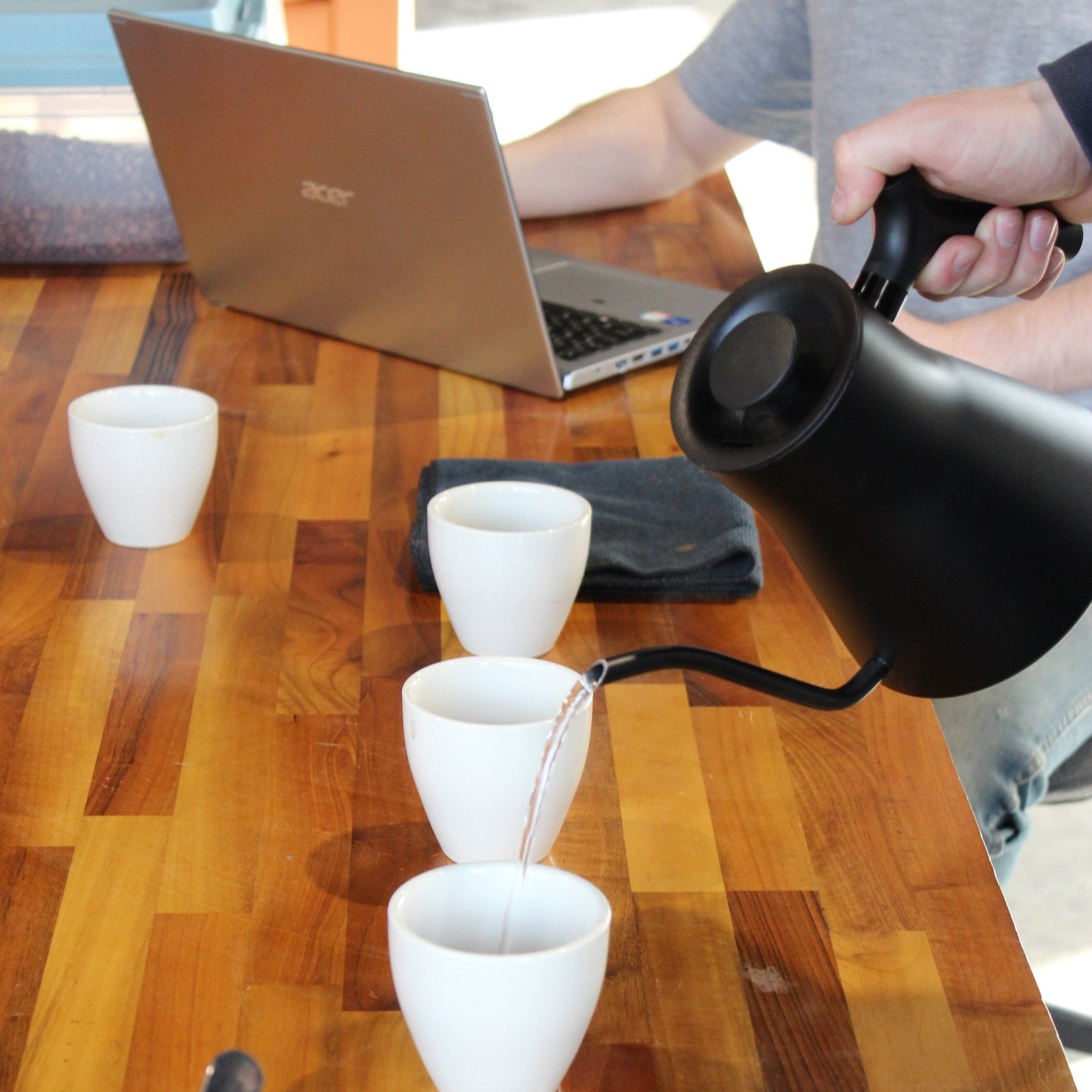
After roasting, the coffee is evaluated through a tasting process known as cupping.
During cupping, coffee is ground and placed in small bowls. Hot water—usually just above 200°F—is poured directly over the grounds using a ratio of about 1 part coffee to 16 parts water. After about four minutes, the crust of coffee that forms on the surface is broken and skimmed away.
Once the coffee has cooled slightly, it is tasted and evaluated.
During this process, the taster looks for both positive and negative qualities in the coffee. Notes are taken on aroma, flavor, balance, and overall clarity. These observations help guide the next roast, allowing the roaster to make adjustments and continue refining the profile.
Dialing In the Coffee
With each roast and cupping session, the goal is to reduce negative qualities while bringing out more of the coffee’s positive characteristics.
Eventually the coffee reaches a point where it expresses its flavors clearly and consistently. At this stage the coffee is considered “dialed in.” Once the ideal roast profile has been found, the roaster aims to repeat it as consistently as possible until the coffee is sold out.
The process doesn’t fully end there, though. Brewing is the final stage where the coffee is dialed in for the cup. Adjusting grind size, brew ratios, and extraction allows the coffee’s flavors to unfold completely.
For many, this final stage is the most rewarding part of the journey.
Share:
The History & Origins of Coffee